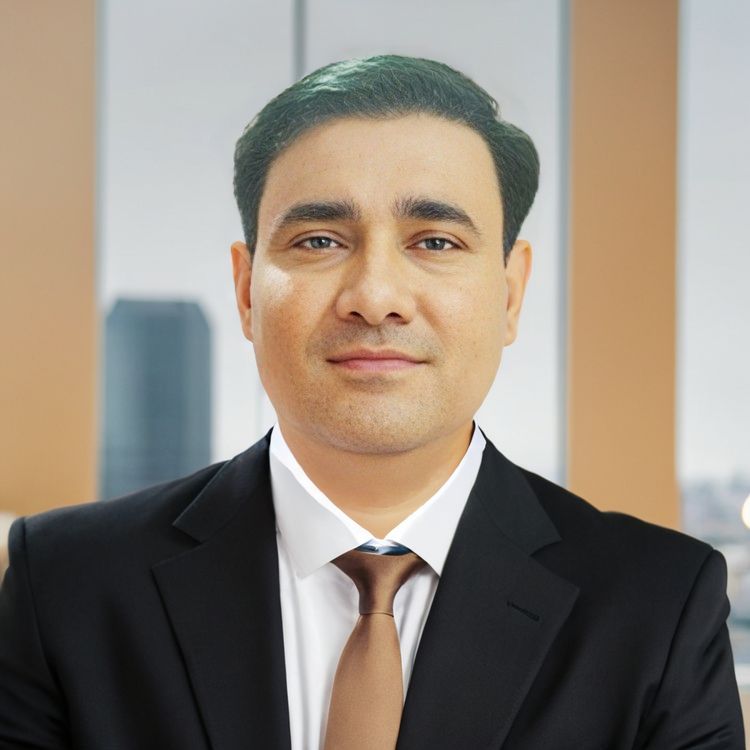
Who I Am

I’m Milan Salvi, a software engineer in Ambernath, India, and I’ve been shipping software for 27 years.
I started in 1999 as a commerce student at St. Xavier’s in Mumbai, teaching myself how machines learn. The eight little AI programs from my 2000 coursework are on this site too, rebuilt in 2026 from the same maths. The Y2K Lab is the oldest idea here and quietly my favourite.
By 2001 I was selling my own software. The first apps people paid for were Java programs (.jar files) for Nokia phones running Symbian, and when Symbian was discontinued I moved to Android. Around the phones came small VBA tools, C and C++ desktop applications, and websites for chartered accountancy firms. In 2007, when it was not yet paying enough to live on, I took a job and kept the business going on the side.
The day jobs were not the usual road either. I spent years in audit and accounting systems: SAP implementations, financial reporting, the world of ledgers. It turned out to be the useful kind of detour, because I read a balance sheet as comfortably as a stack trace, and most of what clients ask me to build sits exactly between the two.
Since 2014 the work has been AI and automation full-time: models, pipelines, and the unglamorous integration work that decides whether any of it survives contact with a real business. Three hundred and some projects on, the pattern holds. The hard part is rarely the algorithm.